Medium breed
Pug Puppies
The Pugs have been the top choice for royal families in the Netherlands and England at some point in time. Queen Victoria’s passion for them is one of such encounters the pugs have with Kings and Queens. This isn’t very surprising as the pugs are known for good companionship traits. Discover more about our Pug puppies for sale below!
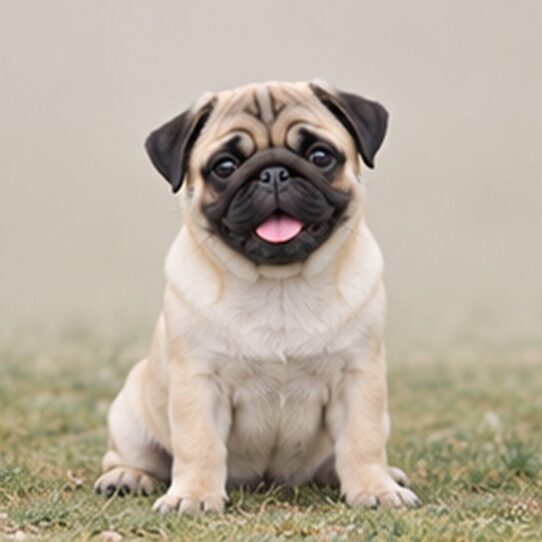
These traits make them effortlessly loved by their owners. The pug stands out physically; with bulky muscles, a wrinkly face, a curled tail, and a fine coat. The pug’s coat is usually in a variety of colors that commonly include the black and fawn. Despite their physique, the pugs are categorized as toy dogs, this buttresses their intimacy with humans.
We do not have Pug puppies on the floor today. Tell us what you are looking for and we will let you know the moment one arrives, or help you find a breed that suits your home just as well.
- Exercise 30 min a day
About the Pug
Pugs are charming, small to medium-sized companions who have delighted families for centuries with their playful and affectionate nature. Originating in ancient China, these delightful dogs were once favored by royalty, and they have continued to win hearts around the globe. With their big, round eyes and distinct curly tails, pugs are not just cute; they are also known for their friendly demeanor and adaptability, making them excellent family pets, especially in environments with young children or other pets. Their warm hearts and gentle spirits allow them to thrive in various living situations, including apartments, where their limited need for space shines.
Read more about the Pug Show less
Despite their adorable appearance, pugs possess a surprisingly laid-back energy level, which means they enjoy their playtime but also appreciate a good cuddle on the couch. They do well with moderate exercise, whether it’s a stroll around the neighborhood or some playtime at home. Regular interactions keep them stimulated without overwhelming their playful yet relaxed spirit. Though pugs do shed, their grooming needs are relatively manageable, requiring just weekly maintenance to keep their coat looking good, and a quick check to ensure their facial wrinkles stay clean and dry.
Training a pug can be a rewarding experience, as their intelligence shines through, albeit with a touch of stubbornness. They are generally eager to please and respond well to positive reinforcement techniques. While they may not be the quickest to learn commands, their affectionate nature helps build a strong bond with their owners, making training sessions a delightful time for both. With their sociable traits, pugs are a great fit for families and individuals alike, bringing endless joy and companionship to your life. If you’re considering adding a pug to your family, Petland San Antonio, TX, is here to help you find your perfect match.
Pug breed profile
Every score below is set by our team for this breed. Higher is simply more of that trait, not better or worse.
Temperament
-
Affection Devoted
-
Playfulness Playful
-
With strangers Friendly
-
Territorial Relaxed
-
Prey drive Very low
Family & other pets
-
Young children Excellent
-
Older children Excellent
-
Other dogs Sociable
-
Cats Usually fine
Energy & exercise
-
Energy Relaxed
-
Mental stimulation Light
Training
-
Trainability Willing learner
-
Intelligence Bright
-
Stubbornness A stubborn streak
Care & upkeep
-
Shedding Moderate
-
Drooling Minimal
-
Barking Occasional
Home life
-
Apartment living Well suited
-
Time alone A few hours
-
Cold weather Average
-
Warm weather Needs shade
A good match for
-
First-time owners Ideal first dog
-
Senior owners Excellent
-
Running partner Not suited
-
Hiking Not suited
-
Therapy work Good
-
Guarding Not a guard dog
Living with a Pug
History
The pug has origins majorly from China and Netherland. The Modern pugs are imported from China; the earliest breeds have also been known to originate from there. However, the pugs have a history with royal families in the Netherlands and England.
The pugs from China are the most recent appearance of pugs; They are characterized by their short legs, and noses which weren’t elongated. The Modern style pugs were brought in to Britain in 1886 from China.
The pugs were tended by the ruling families in China. The imperial court kept pugs because they were treasured by the Emperors who assigned guards to protect them while they (the pugs) lived in extravagance.
Keeping pugs in Europe started at the House of Orange in the Netherlands. The pug became the official pug of the house after it saved the Prince of Orange from Assassins. When William III and Mary II accepted the throne of England in 1688, they were accompanied by a pug.
Although these pugs were said to have been brought from China, the pugs from Europe at that time, as seen in pictures depict longer legs and nose. The pugs became prominent in the United States in the nineteenth century. They easily became family companions and show dogs.
They became recognized by the American Kennel Club in 1855. The Pug makes a good show dog; A pug prevailed in the Westminster Kennel Club Dog Show organized in the United States. This occurred in 1877, it was the first time a pug would be winning the show since it began.
Temperament
The pug would do anything to please its owners this is what makes them suitable to keep in many homes. Their loyalty is unwavering, they do well with children their calmness and sturdy physique allows them to tolerate children easily. Their Alertness makes them good security dogs but they are not predominantly used for security purposes. Pugs are stubborn, but this does not transform into aggressive manners.
Environment
The pug thrives indoors. It is usually kept close to families that own it. It is classified by most Kennel Clubs as a toy dog. Despite their adaptation to heat, pugs cannot thrive well outdoors in hot and humid regions
Exercise
Pugs do not require high-intensity exercises; however moderate exercising will be sufficient. A reserved and reasonable amount of space for the dog to move around is ideal.
Grooming
The pugs have a fine coat that is sufficient to protect them from heat and cold. The coat doesn’t require too much attention. Maintaining a pug has low requirements. However, wrinkles and eyes have to be cleaned daily.
Our Pugs puppies for sale come from either USDA licensed commercial breeders or hobby breeders with no more than 5 breeding mothers. USDA licensed commercial breeders account for less than 20% of all breeders in the country.
The unregulated breeders who are selling outside of the USDA regulations and without a license are what we consider to be “Puppy Mills.” We are committed to offering Pugs puppies who will grow up to become important members of your family. We only purchase puppies from the very best sources, and we stand behind every puppy we sell.
Caring for a Pug
- Grooming
- Weekly brushing
- Grooming cost
- Low
- Monthly food
- Average
- Outdoor space
- Manages without a yard
- Allergy friendly
- Not considered hypoallergenic
Frequently Asked Questions
Do Pugs eyes fall out?
Yes, pugs have a shallow eye socket. Therefore, excess force around the eyes can lead to the eyes falling out. This condition is called ocular proptosis. It is also common to other dogs that have shallow eyes sockets and big bulging eyes; Bulldogs, Pekingese and Chihuahuas.
Do Pugs snore?
The pug is a brachycephalic dog breed; having a short muzzle and a flat face. This makes breathing difficult and leads to the pug snoring.
How good is the Pug’s eyesight?
The pug is more likely to develop eyesight problems that could cause blindness. Their bulging eyes also make them susceptible to eye injuries. Although without any case of injuries or blindness the pugs’ eyesight is perfectly normal.
What are the foods I should avoid feeding my Pug with?
Avoid mushrooms, onions, garlic, and avocados. Green tomatoes and Raw potatoes are also harmful. Do not give any alcohol and caffeine-containing food.
Is the Pug good with family?
Yes, the pug regardless of its physical outlook is very friendly and playful. Its history of intimacy with humans makes it suitable for the family.
Can Pugs be left alone?
Dogs generally shouldn’t be ignored. However, it is okay to leave your dog alone for about 8 hours. Note that pugs are companion dogs and want to be with their owners all the time.
Why are Pugs hyperactive?
Pugs have been bred for a very long time as companion dogs. They naturally get excited about seeing their owners and this leads to a series of hyperactive displays.
Would a Pug ever calm down?
Pugs generally become less hyperactive as they grow older. A pug might reach about 2 years of age before showing signs of calmness. However, a calmer adult pug will occasionally go into a hyperactive mode when exited.
How do I prevent my Pugs’ eyes from falling out?
Keep your dog from situations that will result in a fight. Maintain healthy conditions for your pug and yourself; avoid smoking, it can be harmful to your dog
Do Pugs drool?
All dogs drool to a certain extent. However, your pug might drool more given the architecture of its mouth. Its loose and large lips contribute to some drooling, especially when engaged in any physical activity.
The pug Is a very playful dog, alert and even-tempered dog. Good with family and children especially. Clingy and popular dubbed as a shadow, this loving dog will follow you everywhere you go.